
While your ears are often overlooked, certain changes in your earwax can sometimes be subtle signals from your body. However, it’s crucial to approach this topic with caution: earwax color and consistency can vary greatly based on genetics, age, and environment, and is rarely a definitive diagnostic tool on its own.
Here’s a more accurate guide to understanding common earwax changes and when they might warrant attention.
Understanding Normal Variation
First, know that « normal » earwax spans a spectrum:
Color: Can range from pale yellow to orange, light brown, or dark brown.
Consistency: Can be wet, sticky, and honey-like or dry, flaky, and grayish. This is largely determined by your genetics.
Amount: Production varies from person to person.
A Closer Look at Color Changes
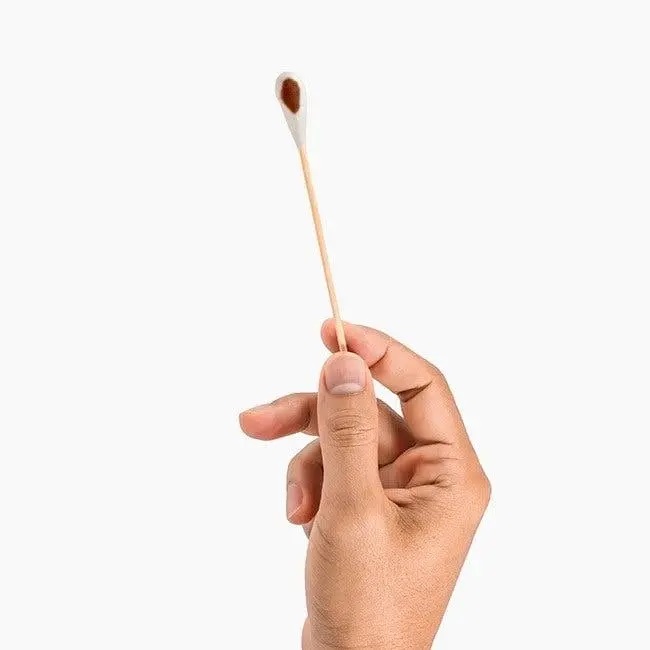
1. Dark Brown or Black Earwax
What it often means: This is usually normal. Earwax darkens as it ages and is exposed to oxygen. It can also simply be a denser concentration of the natural oils, sweat, and skin cells that make up earwax.
When to be concerned: If it is accompanied by symptoms like intense itching, a foul odor, pain, or hearing loss, it could indicate a fungal infection or a very impacted wax plug. In these cases, see a doctor.
2. Pale, Flaky, Gray Earwax
What it often means: This is typical of the genetically-determined dry type of earwax, common in people of East Asian descent. It’s perfectly normal.
When to be concerned: If the flakiness is extreme and accompanied by dry, scaling skin around the ear, it could be a mild form of eczema or psoriasis.
continued on next page