Discovered Metal Balls Under Your Kitchen Sink? Here’s What They Are and How to Handle Them
- Faucet Style: Do you have a pull-out or pull-down faucet? If yes, this is probably it.
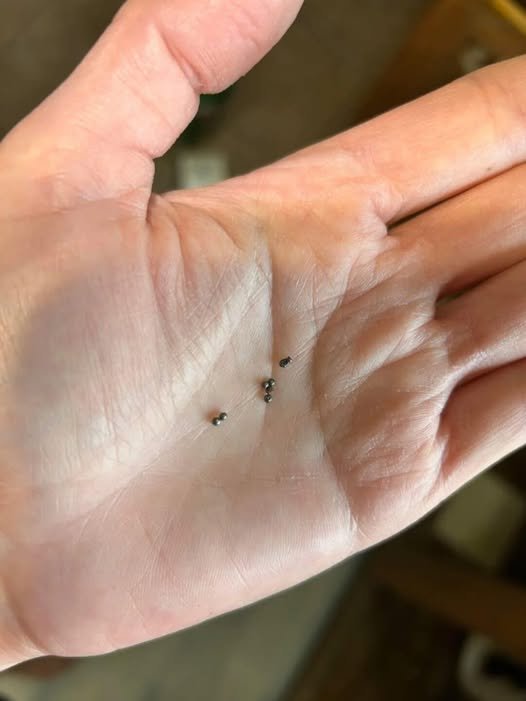
- Inspect the Balls: Are the beads silver or gray and roughly 1/8–1/4 inch in size?
- Test Retraction: Does the faucet head feel “limp” or hang instead of snapping back?
Simple Steps to Fix It Yourself
The great news: this is usually easy to fix without replacing the whole faucet.
- Locate the Hose: Open your cabinet and follow the flexible hose from the faucet head. Look for a plastic or metal cylinder clipped onto it.
- Check for Damage: If it’s cracked or feels empty when shaken, that’s the source.
- Replace the Weight: Universal faucet weights are available at hardware stores or online for $8–$15. Most clip or screw around the hose—no heavy tools needed!
Could It Be Something Else?
If you don’t have a pull-out faucet, consider:
- Dishwasher Parts: Some older machines can break down internally.
- Garbage Disposals: Failing disposals may release metal fragments, usually larger and jagged.
- Water Filters: Some systems use beads, but they’re usually plastic or resin, not metal.