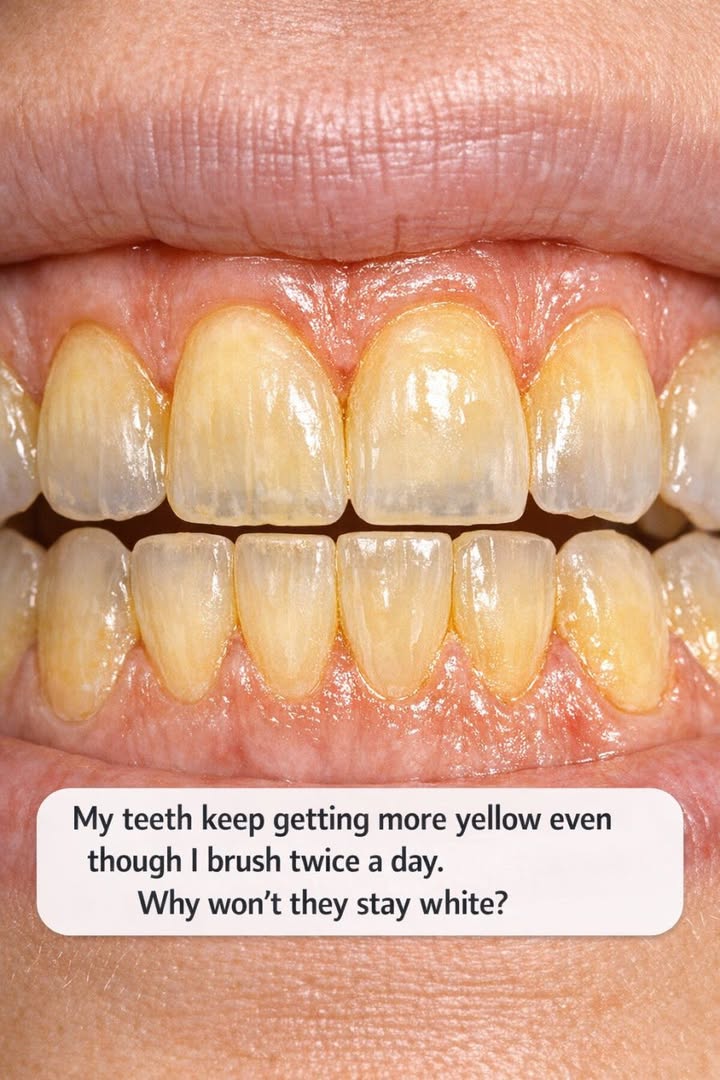
It’s a common frustration for many: despite diligent brushing twice a day, your teeth seem to get yellower over time instead of maintaining that bright, white sheen. This concern is shared by countless individuals who are puzzled as to why their oral hygiene efforts don’t appear to pay off.
Understanding the reasons behind this can help manage expectations and guide more effective oral care practices. From natural tooth coloration to dietary influences and lifestyle habits, several factors contribute to tooth discoloration. By exploring these, you can gain insights into why your teeth may be yellowing and what you can do about it.
1. Your Natural Tooth Color Might Not Be Pure White
Contrary to popular belief, not everyone has naturally white teeth. The natural color of teeth varies from person to person and can range from shades of white, off-white, to slightly yellowish. This is largely determined by the thickness and quality of your enamel and the color of the dentin beneath it.
Enamel, the hard outer layer of the tooth, is semi-translucent. The underlying dentin, which is naturally yellowish, can show through, especially if the enamel is thin. Understanding that your natural tooth color might not be pure white can help set realistic expectations for tooth whitening efforts.
2. Enamel Thinning: When the White Outer Layer Wears Away
Enamel thinning is a common cause of teeth appearing more yellow. Over time, the enamel can wear away due to factors such as acidic foods, aggressive brushing, or grinding of teeth. As the enamel thins, the yellowish dentin underneath becomes more visible, giving your teeth a yellower appearance.
On average, enamel is about 2.5 millimeters thick at its thickest point, but this can decrease over time. Protecting enamel by using a soft-bristled toothbrush and avoiding abrasive toothpaste can help maintain its thickness and whiteness.
3. Stain Magnets: Coffee, Tea, Red Wine, and Dark-Colored Drinks
Coffee, tea, red wine, and other dark-colored drinks are notorious for staining teeth. These beverages contain chromogens, intensely pigmented molecules that can adhere to enamel and cause discoloration.
Additionally, such drinks are often acidic, which can erode enamel and make it easier for stains to latch on. Rinsing your mouth with water after consuming these beverages can help reduce staining over time.
4. Hidden Culprits in Your Diet: Sauces, Berries, and Acidic Foods
Certain foods, although healthy, can contribute to tooth discoloration. Sauces like soy sauce, balsamic vinegar, and tomato-based sauces are particularly staining due to their intense pigmentation. Similarly, brightly colored fruits like berries can leave residues that stain teeth.
Acidic foods, including citrus fruits and tomatoes, can also erode enamel, making teeth more susceptible to staining. Incorporating these foods wisely in your diet and ensuring proper oral hygiene can mitigate their staining effects.
5. Smoking, Vaping, and Nicotine: How They Yellow Teeth Fast
Tobacco use, whether through smoking or vaping, is a leading cause of tooth discoloration. Nicotine and tar in tobacco are both yellowing agents that can penetrate the enamel and stain teeth.
Even nicotine in vaping products, which is colorless, combines with oxygen to turn yellow, contributing to stains. Quitting these habits not only benefits your overall health but also helps maintain whiter teeth.
6. Are You Brushing Wrong? Technique, Timing, and Overbrushing
Brushing your teeth twice a day is essential, but doing so incorrectly can be detrimental. Using too much pressure or a hard-bristled toothbrush can erode enamel over time, making teeth appear yellower.
Proper brushing technique involves gentle, circular motions for about two minutes. Additionally, waiting at least 30 minutes after meals to brush can help prevent enamel erosion caused by acid exposure from food.
continued on the next page